
Remote work or home working has slowly been on the rise for many years, although some employers have been resistant to this new way of working. This is because some managers are mistrustful, feeling that any employee who is not under their direct supervision will not work satisfactorily – or perhaps at all! There is also a lingering belief that a business needs premises, something that is actually no longer true, thanks to the advent of high-speed wireless broadband and file sharing apps and capabilities.
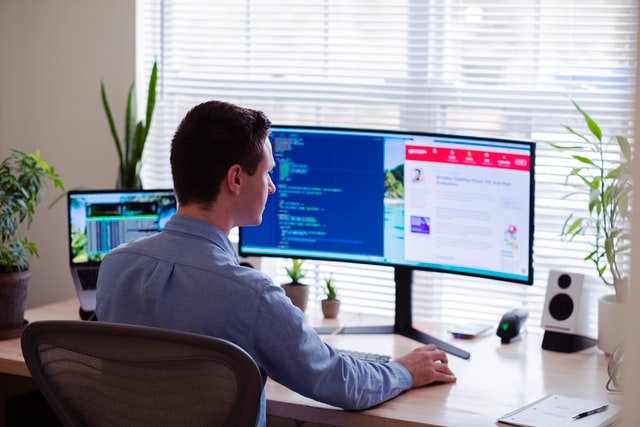
Employees who work from home tend to put in more than their eight hour shift each day and productivity can actually shoot up. This is because they tend to break their work down into tasks and list items in a way that often does not happen in the office when things like making tea, chatting to colleagues, washing up the cups and plates left in the office kitchen sink, and sorting out the stationery cupboard all count as ‘work’ because the employee is physically in the office. When one is working from home, ‘work’ tends to include only active work from the to-do list. Employees can break up their working day to manage childcare and family commitments which means that they tend to spend short intensely focused periods of time working, usually when the house is quiet and they can completely concentrate on the task at hand. It is easy for these short bursts of work to add up over the course of day into a ten-hour or more shift.
Micromanagers who need to monitor their employee’s activity all day can feel frustrated at being limited to specific meetings and using email and phone calls to stay in touch with their staff without being able to see them at any time. For most employees, this time of close management is not necessary, but for those who do tend to slacken off or take longer breaks than they should, there are various pieces of software that can be installed on employees’ computers that allow managers to keep an eye on the machine’s activity.
Best practise for working from home will depend on the industry. If your work requires you to be available during the business day, then try to stick to your usual routine as much as possible, getting up and having a good breakfast before going into office mode. If you can, have a separate room with a closable door in which to work, so you can go into working mode as soon as the door is shut. Dress for work even if you will not be taking any video meetings that day, as this has been found to establish work mojo in minds that might otherwise be tempted with the idea of crawling back into bed!
Finally, working from home may not be choice in the future: it might be the only way of working in some industries. Covid-19 has shown us that we humans are more adaptable than we think and that faced with an insurmountable problem, we find a way around it. Working from home could end up being a saviour to some small businesses – an unexpected benefit rather like finding a genuine free no deposit bonus site – reducing overheads, boosting productivity and thereby making the difference between success and failure!