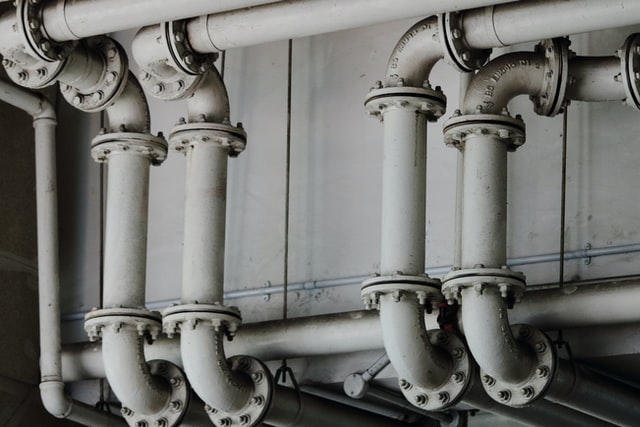
Plumbing is an essential feature of any building and when it goes wrong, the effects can be disastrous. Plumbing Contractor working with pipes, boilers and taps are therefore held to high standards and should use the very best tools available for any given task. In 2020, the options are more varied than ever; there are useful tools for the job that some plumbers might not be familiar with.
Let’s take a look at a few key tools, and what their key purposes are:
Adjustable Spanner
A spanner is essential for tightening nuts and sealing valves. Plumbers should have access to a specific sort of adjustable spanner called a pipe wrench. These devices come with teeth, allowing them to firmly grasp cylindrical objects, such as pipes. With that said, it’s worth keeping a variety of different varieties of wrenches to hand.
Oscillating Multi-tool
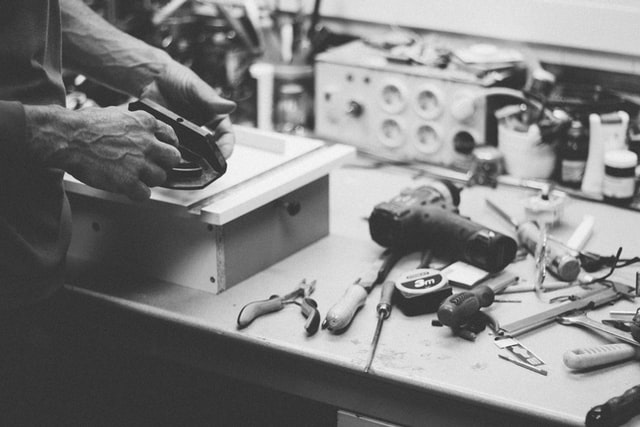
This is a relatively recent innovation, which can be used to cut through everything from timber to plasterboard, and can also be used to sand and polish, too. Vibrating blades can be adjusted, so that they can reach into the most awkward corners and there’s no risk of cutting yourself. Choose the right oscillating multi-tool for your job and make your next pluming job safer and much more efficient.
Plunger
To remove a blockage from a sink, shower, or toilet, you’ll need a plunger. These simple devices normally consist of a simple stick and a suction cup: they form a seal and force air back and forth down the effected pipe, until the blockage has been relieved. A flange plunger comes with a curved flap at the bottom, which will adhere nicely to the shape of a toilet.
Drain Rods
To unblock a drain often requires a proper drain-rod. These come in kits that can be extended over huge distances, and they’re ideal for when the blockage can’t be removed by drain-snake pliers, or by a plunger. Wherever the blockage is, a sufficiently long rod will be able to shift it. Keep yours in a protective carrier bag when on the go.
Pliers
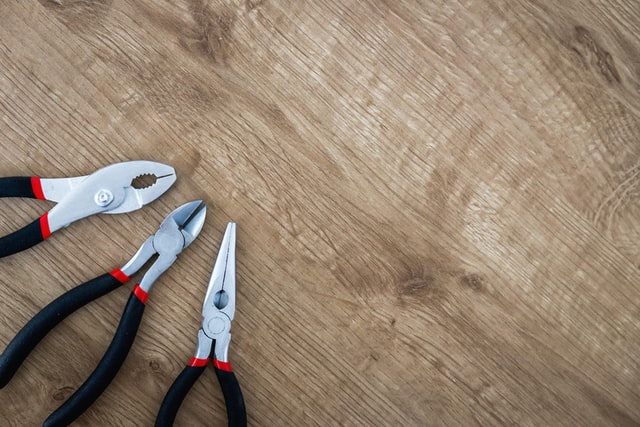
Holding on to materials, as a plumbing contractor, that are being cut or adjusted requires a decent set of pliers. Moreover, pliers can grab hold of nuts and bolts in hard-to-reach places, making them a perfect antidote to awkward situations. They come in several varieties. There are channel-lock pliers which lock in a fixed position; there are slip-joint ones with an adjustable slot in the head for gripping other tools; then there are drain snake pliers which will slide down a pipe and grab hold of obstructions.
Solder
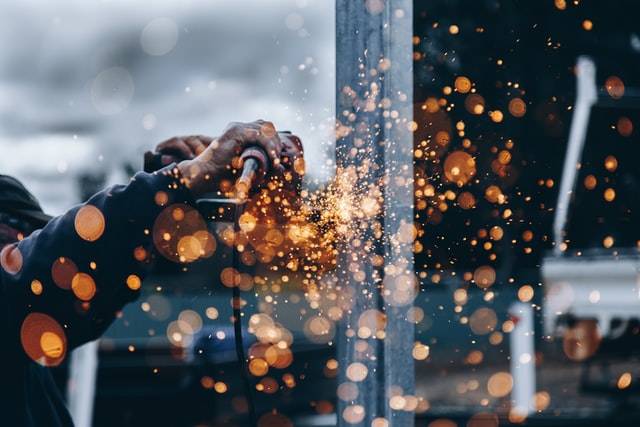
As a plumbing contractor, if you are sealing one pipe to another, you’ll need solder. The solder you use should be lead-free, and capable of forming a tight seal. Go for something lead-free to ensure that the water that comes through the pipe is actually drinkable. If you’re working on pipes that won’t carry drinking water, then use leaded wire – with a lower melting point, as it’ll form a tighter seal.
Pipe Bender
The pipe-bender is a simple tool, but it’s one that you’ll be relying on again and again. It’s a mechanical press that’ll push a length of pipe to any given angle. If you’re replacing an existing length of pipe, it’s a fantastic way to get a like-for-like match.
Pipe Cutter
These nifty little devices allow you to create perfect cuts on any given copper tube. Simply clamp and rotate – no saws necessary! You will want to keep a device of this sort, along with a few spares for all the different pipe-diameters you’ll be working on.
Metal File
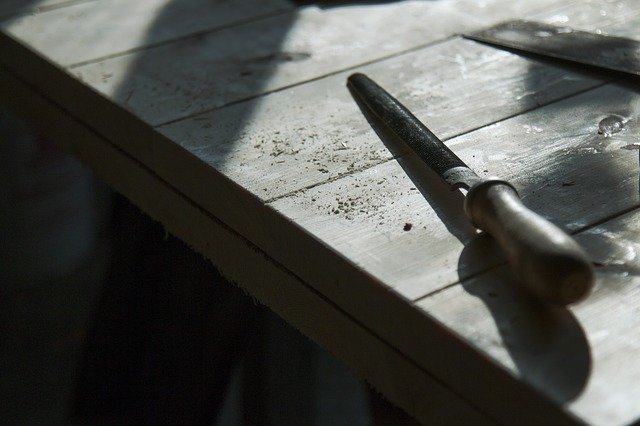
To remove rough edges after you’ve cut through something, you’ll need a metal file. Typically, these devices won’t make any functional difference to the system you’re working on. However, they will make the results look that little bit nicer and eliminate the risk that a client will inadvertently cut themselves.
Storage
Finally, we should consider how you’ll be arranging and accessing all of your tools. The more organised you are, the less time and energy wasted searching for a given item. Set up secure shelves in the back of your van or divide your gear into multiple colour-coded tool bags.