Many businesses will face bumps along the road, some of which owners can try to avoid and some which are completely unavoidable. Last year when COVID-19 began to spread rapidly across the world, a lot of industries faced many uncertainties and most businesses really struggled to adapt during this time.
But after a few weeks and months, business owners had reevaluated some of their processes and found new ways to allow their operations to continue in ways that wouldn’t have too great of an impact on the overall business.
With companies all over the world changing how they work and function, and with some having to stop business altogether temporarily, it was inevitable that along the way, we would also see a change in consumers’ behaviour and habits. The retail industry has seen significant change during the pandemic and a recent survey by CallCare has found some interesting findings.
A boost in online shopping
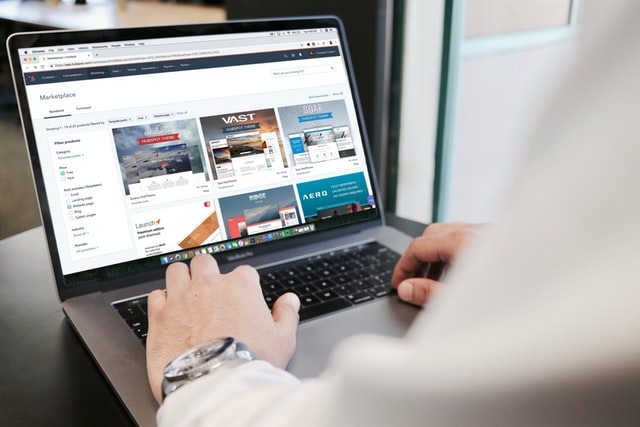
Online shopping has been on the rise over the last few years but not more so than last year when lockdown restrictions saw many retailers unable to open physical shops. This meant that many consumers were turning to online methods to buy essential and non-essential items. The survey found that 51% of respondents were shopping online for essential items throughout 2020, and 68% were shopping online for non-essential items.
The high street has seen a decline in numbers over the years as more and more people switch to online methods of shopping. However, people do miss the general shopping experience, with 27% saying they would happily shop in-store in 2021 when it is safe to do so which is encouraging for retailers.
Consumers’ are more likely to research
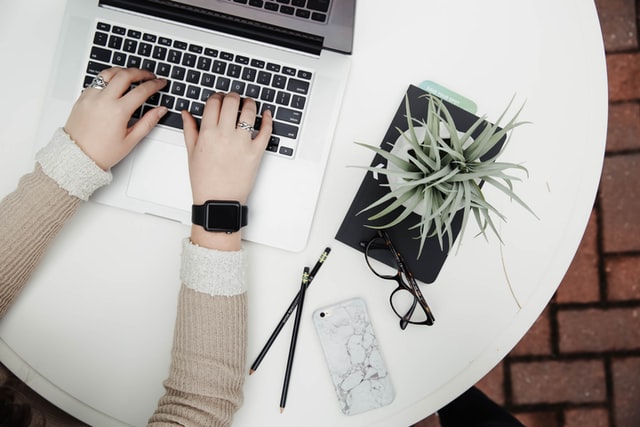
Another interesting find from the survey was that more consumers are now likely to research a product or service before purchasing. With the boost in online shopping during the last year, 29% of people surveyed said they spend anywhere between one to two hours researching a product before hitting buy.
This is one of the more notable changes in consumers’ shopping habits as before when people would head to a store to buy something they wouldn’t have spent as much time looking into the product, often making a quick decision into a purchase when in-store. 21% of respondents said they were impulsive buyers, and online shopping may change this going forward.
Splurging on non-essential items
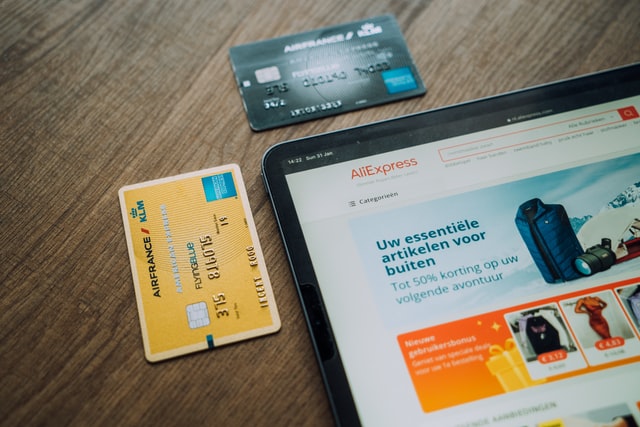
With more time on shopper’s hands because of the lockdown restrictions, the survey found that 31% of respondents were spending a lot more online on non-essential items than they usually would. This was probably due to many people buying items to keep themselves occupied during a difficult period.
However, the survey did also find that 40% said they believed they were not spending any more money than they were at the very start of the pandemic and they were, in fact, spending roughly the same amount on general shopping that they did before the pandemic.
What is interesting to take away from all of this, is how quickly the shopping habits and behaviours can change of consumers. This highlights that businesses should always be prepared to adapt and evolve in order to keep up with the demands of their customers.